Shop smart - Compare your savings options
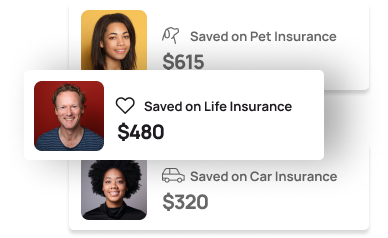
Your insurance needs aren't quite like anyone else's, so you need insurance rates that are calculated just for you. With just a few easy steps, you'll get insurance quotes that are tailored to your needs from the best insurance companies in the business.
The quick-start guide to shopping for insurance


Get answers to your insurance questions
Insurance 101


Calculate & compare the rates for your coverage
With just a few easy steps you can compare rates from the top insurance companies and choose the best coverage for your needs.
The latest research, the best advice
Our experts stay on top of trends, rate and rule changes, and important insurance news. Check out our latest guides and insurance explainers to get answers to all your insurance questions.
Average home insurance cost: How much is home insurance in 2024?
The average cost of homeowners insurance in the U.S. is $2,777 a year, or $231 a month, for $300,000 in dwelling coverage. Your insurance rate will vary based on where you live and factors specific to your home. As home insurance rates increase nationwide, shopping around is the best way to save.
What is non-owner car insurance, and who needs it?
Non-owner auto insurance is liability-only car insurance for a driver who doesn’t own a vehicle but drives others' vehicles often. A non-owner policy is car insurance for people who don't own a car. It provides additional liability insurance should you get into an accident while driving someone else's car or a rental.
Average condo insurance cost in 2024
The average cost of condo insurance is $63 a month, or $759 a year nationwide, but varies based on coverage level and where you live. Condo (HO-6) insurance covers everything your condo association doesn’t, including your personal property and liability.
How much is renters insurance in 2024?
Renters insurance costs an average of $29 a month nationwide for $40,000 in personal property coverage. The cost of a renters insurance policy is mainly affected by how much coverage you need and where you live, but shopping around will help you find cheaper renters insurance rates.
Cost of full coverage car insurance in 2024
Full coverage car insurance averages $1,895 a year, or $158 a month. What full coverage means for you depends on what's required by law in your state; it will include all legal requirements and generally also includes comprehensive and collision.
Why you can trust us
- We know every step of the insurance buying process and can provide guidance from start to finish -- whether it’s auto, home, life or any other insurance you need.
- We know the frustrations insurance customers face, from understanding the jargon on a policy to dealing with a claim. We’ve been there and we can help you navigate it.
- We want you to find the best coverage for your needs, not the coverage someone wants to sell you whether it’s right for you or not. We’re on your side, offering objective, data-based advice.
- We understand insurance right down to the smallest details, even complex purchases like health insurance, and we make it easy for you to understand.
- We bring more than 25 years in the insurance industry to help guide your insurance-buying decisions.
Get to know our team of insurance experts
Our insurance experts have decades of insurance knowledge and are dedicated to educating consumers so they can make the best decisions about their insurance coverage.