


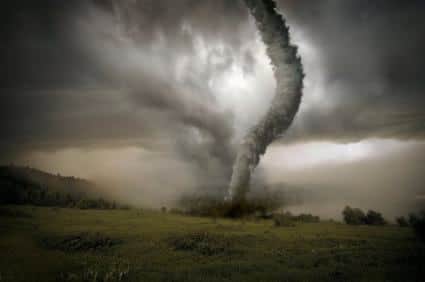
 Standard homeowners insurance covers tornado damage to your home, renters insurance covers your personal property and auto insurance will cover your car if you carry comprehensive.
- Does insurance cover tornado damage?
- How does home insurance cover tornado damage?
- Does renters insurance cover tornado damage?
- Does car insurance cover tornado damage?
- How much does tornado insurance cost?
- What state has the most tornadoes?
- What to do after a tornado: Filing a claim
- Tips to prepare for a tornado
Does insurance cover tornado damage?
Insurance covers tornado damage, with homeowners covering damage to your home and personal property, and car insurance covering your car, if you have comprehensive coverage. If you have renters insurance, only your personal property is covered (your landlord's insurance covers the building). And, if you carry liability-only car insurance, you have no coverage for damage to your car.
How does home insurance cover tornado damage?
A standard home insurance policy does cover damage caused by a tornado. However, having the right amount of coverage for your home is key; nearly two out of every three homes in America are underinsured. The average underinsurance amount is about 22%, though some homes are underinsured by 60% or more, according to insurance carrier Nationwide.
"People go through a devastating experience and find they don't have enough coverage to rebuild," says Melissa Digby, former national loss prevention director for USAA and now the company's Strategic Change Principal.
Here's how the standard parts of a home insurance policy work after a hurricane:
- Dwelling coverage. This covers your home and any structures attached to it for its replacement cost, which is calculated based on what your insurance company knows about your house.
- Other structures. Usually set at 10% of your dwelling coverage, this covers any structure on the property not attached to the house, like a shed.
- Personal property. Also set at a percentage of the dwelling coverage, usually 50-70%, this covers your belongings. That means everything in the house that can be removed, from table linens to computers.
- Additional living expenses (ALE). Also called loss-of-use, this coverage will pay for hotels, restaurant meals and other increased living costs if a tornado renders your house uninhabitable during repairs or rebuilding. Part of a standard policy, this coverage kicks in automatically when you file a claim for a covered loss that requires you to live elsewhere.
Standard home insurance policies cover your home for replacement cost, which means no depreciation is included. However, replacement cost changes over time, especially if you've made improvements to your home. Make sure you notify your insurer of any remodeling or additions, and look into purchasing extended replacement cost coverage.
To avoid being underinsured after a tornado, consider adding extended replacement cost coverage, which provides extra dwelling coverage beyond the policy limit, ranging from 25% to 50%, guarding against inflation. Some companies also offer a guaranteed replacement cost endorsement that ensures the house will be rebuilt, no matter how much the cost exceeds the limit.
IMPORTANT NOTE: Standard homeowners insurance covers personal property at actual cash value (ACV), which is the depreciated value of your property, rather than replacement cost (the actual cost to buy a similar item today). Ask your insurer about adding a replacement cost endorsement to your policy for personal property to ensure full reimbursement.
Do wind and hail exclusions apply to tornadoes?
Yes, wind and hail exclusions can apply to tornadoes in some states. In states prone to storms with high winds, such as tornadoes, coverage may be limited to structural damage only, meaning that cosmetic damage to exterior surfaces like siding, windows and the roof from wind or hail isn't covered. If your policy contains this exclusion, you may need to purchase a separate windstorm policy or endorsement.
You may need to purchase a separate policy or add an endorsement to your policy, and a separate windstorm deductible might apply.
Does renters insurance cover tornado damage?
Yes, renters insurance covers your personal property for tornado damage, and, like a home insurance policy, it includes loss of use coverage to help pay expenses if you have to live elsewhere during repairs. Your landlord's policy covers the structure itself, but provides no coverage for anything you own. Renters insurance doesn't automatically include replacement cost coverage for your belongings, so talk to your insurer about adding a replacement cost coverage endorsement for full reimbursement.
Does car insurance cover tornado damage?
Yes, car insurance will cover tornado damage to your vehicle as long as you have comprehensive coverage, which pays for damage to your car caused by things other than a collision, including weather damage like tornadoes. Your insurer will pay the actual cash value of your car, minus the deductible for which you are responsible. Liability-only coverage doesn't include any coverage for damage to your vehicle.
How much does tornado insurance cost?
Tornado insurance is included in your home and car insurance policies (as long as you carry full coverage) at no additional cost. There is no separate tornado insurance policy to purchase. The only exception applies in states that allow wind and hail exclusions, in which case you may need to purchase a separate policy or an endorsement at an additional cost.
The average cost of a homeowners insurance policy in 2026 is $2,543 a year, and the average cost of a full coverage car insurance policy that covers tornado damage is $2,513 a year.
What state has the most tornadoes?
In 2025, the National Weather Service reported that the top 10 states for tornadoes were:
- Texas
- Illinois
- Missouri
- Mississippi
- Alabama
- North Dakota
- Indiana
- Oklahoma
- Arkansas
- Minnesota
If you live in a high-risk area, ensure you have the right coverage; speak with your insurance agent or representative to find out if you're properly protected.
However, since a tornado can happen just about anywhere, it's important that everyone check their insurance coverage.
What to do after a tornado: Filing a claim
After a tornado, contact your insurance company as soon as possible to report the damage and get the claims process started. Document everything with photos and video, and make temporary repairs when it is safe to do so, such as covering broken windows, to prevent further damage. An adjuster will contact you with the next steps and visit your home to assess the damage.
Follow these steps to file a tornado damage claim:
- Call your insurance company as quickly as possible. Your insurance company's claims line is the quickest way to get a claim started, and the representative can walk you through the next steps.
- Document everything. Take photos and video of the damage before you clear anything away or repair anything.
- Make temporary repairs. Protect your home from further damage by covering damage areas like broken windows or damaged siding.
- Follow your adjuster's instructions. Ensure that you meet all deadlines and provide all documentation provided by the adjuster to ensure a timely settlement.
Tips to prepare for a tornado
The most important steps to preparing for a tornado are identifying a safe shelter location in advance, creating and practicing a tornado plan and having an emergency supply kit prepared with food, water, necessary medications and important documents, The CDC also recommends monitoring tornado watches and warnings carefully; a watch means there's potential for a tornado, while a warning means a tornado has been sighted.
Here is the CDC's full list of tornado preparation steps:
- Pay attention to thunderstorm watches and warnings as they may escalate.
- Be aware of whether there's a tornado watch or warning: a warning means a tornado has been sighted.
- Know how your area warns about tornadoes, including what it means when you hear sirens.
- Know where the safest place is to shelter during a tornado: plan this ahead and remember that a mobile home is not safe during a tornado.
- Create a tornado plan and practice it.
- Make a plan for anyone with special needs or prescription medication.
- Have important information and documents stored in one place and ready to go in case you need to leave suddenly.
- Have an emergency supply kit ready that includes food, water, a source of heat and light, medications and anything else you might need in case help can't reach you quickly.
- Make sure your home is secure, including the structure, bolting furniture to walls and knowing how to turn off utilities in case something is damaged.
In summary, standard homeowners insurance covers tornado damage to your home, other structures and personal property, and includes additional living expenses coverage in you must temporarily live elsewhere. Renters insurance covers personal property and additional living expenses, while the landlord is responsible for the structure. Comprehensive car insurance coverage pays for damage to your vehicle from a tornado. Tornado insurance coverage is included in all of these policies at no extra cost, with the exception of states where wind and hail exclusions apply, requiring the purchase of separate coverage or an endorsement for tornado damage.
Sources
National Centers for Environmental Information. "U.S. Tornadoes." Accessed April 2026
 Helpful home insurance tools and calculators
In case you missed it
Stay updated with our latest insurance insights and guides
 April 15, 2026
Yes, car insurance covers tornado damage if you have comprehensive coverage, which...
Read article April 15, 2026Standard homeowners insurance covers tornado damage to your home, roof, and belongings,...
Read article