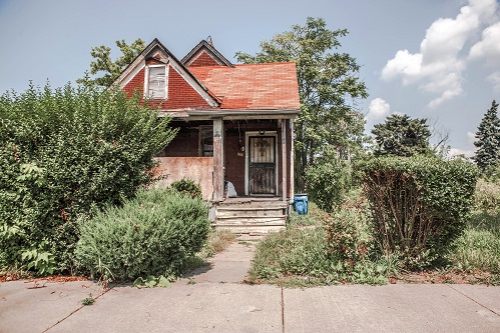

What is homeowners insurance?
Home insurance is a package policy that includes five main coverages to protect your house, its contents, and you. Because it provides more than one type of coverage, it's known as a multi-line policy. The two main lines are property and casualty.
- Property insurance covers things that can be repaired or replaced: your house, your garage, your appliances and personal property. Casualty insurance covers damages and injuries to others.
- Example: If a tree falls on your roof, a fire destroys your kitchen or someone breaks in and steals your TV, the insurance policy pays the bill. That's a property damage claim.
- Casualty insurance is better known as liability coverage and pays for damages you cause to others.
- Example: If someone falls on your icy sidewalk and sues you, personal liability insurance will pay the bill. That's a casualty claim.
Homeowners insurance also provides coverage for loss of use, paying temporary living expenses when you can't live at home during repairs on a covered claim.
"Purchasing a home is one of the biggest investments people will make, and ensuring the home is properly insured is a vital part of their financial protection. Home insurance is necessary, and often required, designed to protect against various risks that may damage or destroy your home." -Lauren McKenzie, senior agent, A Plus Insurance in South Carolina.
Why do you need homeowners insurance?
You need homeowners insurance to protect you from serious damage to your home and property. Can you afford to rebuild your home from the ground up? Replace your roof if a storm destroys it? Replace everything in your home if there's a fire?
That's what home insurance does: protects you from catastrophic losses.
Home insurance also protects from liability risks, both on and off your property. If you're responsible for injuries or damage to someone else, your personal liability insurance can protect you from a lawsuit.
How does home insurance work?
Home insurance works by restoring you to where you were after an unexpected incident does damage to your property. In the home insurance industry, that's called indemnity.
Here's how homeowners insurance functions:
- You and all of the other insured people pay premiums, creating a shared financial pool.
- When you file a claim, that premium money is drawn upon to repair the damage.
- Your home will be restored as closely as possible to how it was before the damage; insurance companies call this repairing or replacing with like kind and quality.
Is homeowners insurance required?
Home insurance is not required by law, but your mortgage lender will require you to purchase homeowners insurance to protect its investment in the property. If you own your home outright, you don’t have to carry home insurance.
However, unless you actually can afford to repair or rebuild your home and everything in it, you should buy homeowners insurance.
The five basic types of homeowners coverage
Home insurance policies include five basic types of coverage: dwelling, other structures, personal property, personal liability and additional living expenses.
Let’s take a closer look at each of the coverages and how they work.
Dwelling coverage
Dwelling coverage is the largest part of your insurance policy, and it provides coverage for the house itself. The dwelling coverage limit is based on the replacement cost of your home. In other words, it’s the actual amount that’s required to rebuild your home from the ground up. Home insurance costs are largely based on this amount.
What's covered: A standard home insurance policy covers the dwelling for any peril (cause of damage) that is not specifically excluded. That includes fire, vandalism and some forms of water damage.
Other structures
Other structures coverage is for damage to any structures on your property that are not attached to the house. Other structures coverage is a percentage of the dwelling coverage.
What's covered: Other structures on your property are covered for the same perils as your house, up to the policy limits. Fences, sheds, detached garages and similar detached structures are covered.
Personal property
Personal property coverage pays to replace all of the contents of your house. This coverage is usually 50-70% of your dwelling coverage. Personal property may be covered for actual cash value (depreciated value) or replacement cost (the cost to buy new items).
What's covered: All of your personal property, including your furniture, appliances, clothing, electronics, linens, dishes, cookware and more.
Personal liability
Your homeowners liability coverage pays the damages if someone is injured on your property or suffers property damage as a result of something you, your family members or your pets did or failed to do. It also pays court costs if you are sued.
What's covered: Injuries or property damage for which you are responsible, both on and off the premises.
Loss of use or additional living expenses (ALE)
Loss of use, or additional living expenses, coverage pays for additional costs you incur when you can't live at home during repairs on a covered claim. That includes hotels, dining out and other costs.
What's covered: Expenses above and beyond your regular bills that you incur as a result of being unable to live at home during a covered claim.
Types of damage that are covered by homeowners insurance
Standard home insurance policies cover the dwelling for any peril that isn't specifically excluded. They're known as open perils, or all-risk, policies. For personal property, the coverage is for a specific list of named perils.
"Home insurance generally covers damage due to fire, theft, vandalism, and natural disasters, as well as coverage for homeowners' personal belongings," McKenzie says.
A home insurance policy covers:
- Settlements and lawsuits resulting from injuries or property damage you cause to someone else
- The dwelling itself at its replacement cost for all perils (unless specifically excluded)
- Other structures on the property at replacement cost for all perils (unless specifically excluded)
- Personal property at actual cash value unless you add a replacement cost endorsement
- Additional living expenses when you can't live at home due to a covered loss
What does home insurance not cover?
Home insurance policies have a few common exclusions. They include:
- Flood
- Earthquake
- Mold
- Water and sewer backup
- War or nuclear disaster
- Intentional damage
- Wear and tear
Optional coverage endorsements
You can add additional coverage to your policy as needed. Some common endorsements include:
- Building ordinance coverage for changed building codes
- Water and sewer backup
- High-value item floaters (scheduled personal property)
- Business property
Flood and earthquake insurance
Since home insurance doesn’t cover either floods or earthquakes, you can buy separate policies to provide that coverage.
Flood. This insurance can be purchased directly through the U.S. government’s National Flood Insurance Program or from an insurance company.
Earthquake. Earthquake insurance is usually offered as an endorsement, but may be a standalone policy.
Home insurance for different types of homes
Your insurance needs will differ based on the type of home you own. Costs to repair damage to a manufactured home may vary from costs associated with repairs to a historic home and your insurance premiums are likely to reflect these risk estimates. Examples of special considerations include:
- Older homes can be expensive to repair if building codes have changed since their original construction. Depending upon the scope of any damage, it may be necessary to rewire or re-engineer portions of the building.
- Historic homes, often built before 1900, may have strict rules related to materials and finishes. Homeowners often seek “guaranteed replacement coverage with restoration” coverage.
- Condo owners must be aware of where their homeowners association’s master policy protections end and where their condo insurance coverage should begin.
For a clear understanding of insurance recommendations for your home, read more on homeowners insurance for various types of homes.
Other types of home insurance for condos, rentals and tenants
There are other types of homeowners insurance for specific home types:
- Renters insurance covers personal property and personal liability and includes additional living expenses coverage.
- Condo insurance covers personal property, the interior of your unit, personal liability and additional living expenses.
- Landlord insurance covers rental properties, while vacation rentals may need Airbnb insurance.
What affects the cost of homeowners insurance?
The biggest factors influencing the cost of homeowners insurance are:
- The cost to rebuild your home if it were completely destroyed
- Your home’s age
- Your neighborhood’s fire protection rating
- Your personal and neighborhood claims history
Your home’s location and value are also factored in when calculating your insurance premium. Many other items are assessed as well, including:
- Your credit score
- The previous homeowner’s claim history
- The number of “attractive nuisances,” such as ponds, pools, and trampolines
- Whether or not you run a home-based business
For more information on how homeowner premiums are determined, review some of the main factors affecting your home insurance rate. Insurance.com provides details on average home insurance rates by state; compare your current policy cost to the typical premium in your area.
What is the average cost of home insurance?
The average cost of a home insurance policy with $300,000 in dwelling coverage and liability and a $1,000 deductible is $2,543 a year nationwide based on 2026 Insurance.com data.
Rates vary by state, as well as the amount of coverage you need for your home. Check out the average cost of home insurance by state to compare rates where you live.
How to choose and buy a homeowners insurance policy
Compare home insurance rates and coverage options before you buy a home insurance policy.
"When looking over your home insurance policy, or searching for a new home insurance policy, the most important thing to look for is the coverage amount on the home, or in other words, the amount of insurance you would need to cover the home," McKenzie says.
Be sure to review your policy at least every two years to adjust your coverage as needed. Factor in:
- Home additions or remodels
- Changes that might increase or decrease your risk profile (the new fire station that opened a few blocks away; your new, home-based business, where you meet with clients)
- Significant changes in your possessions
If you’re like most people, your insurance needs will change over time and it’s critical to be properly protected.
FAQ: Home insurance basics
Is personal liability coverage included in a home insurance policy?
Yes, personal liability coverage is a standard part of a homeowners insurance policy. Coverage usually starts at $100,000.
What is the difference between home insurance and mortgage insurance?
Home insurance protects you and your home, while mortgage insurance protects your lender in the event that you default on your loan.

 Helpful home insurance tools and calculators
In case you missed it
Stay updated with our latest insurance insights and guides
 September 1, 2026
Dwelling coverage is part of homeowners insurance that pays to repair or...
Read article August 26, 2026Other structures coverage covers detached structures like garages, sheds and fences after...
Read article August 21, 2026Personal property coverage protects the contents of a home and is part...
Read article August 17, 2026Homeowners insurance includes personal liability coverage that will pay for medical expenses...
Read article December 18, 2025Bundle policies, raise your deductible, improve home security, and shop around for...
Read article