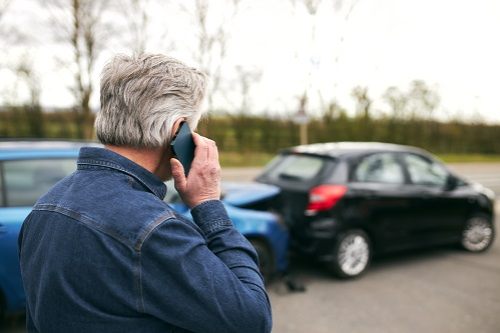


What should you do immediately after a not-at-fault accident?
If you are in a car accident and believe you are not at fault, first deal with the immediate situation by seeking medical care if needed. Take pictures of the scene before moving the cars, if possible. Exchange information with the other driver without discussing fault, and gather contact information for witnesses. Then, call the police to file a report.
- Check for injuries. If you or any of your passengers are injured, call 911 immediately. Even if you don't think you're hurt, getting checked out by a medical professional is essential. Some injuries, such as whiplash, may not be immediately apparent.
- Move your vehicle to a safe location. If possible, take photos of the scene first, then move your car to the side of the road or a parking lot if possible. This will help to prevent further accidents.
- Exchange information with the other driver. Get the other driver's name, address, phone number, insurance information, and license plate number. If there are any witnesses to the accident, get their contact information as well. Don't discuss fault and stay calm.
- Take photos of the damage. If possible, take pictures of the damage to your vehicle and the other driver's vehicle. This will help your insurance company to assess the damage and process your claim.
- File a police report. If the accident involves injuries or is serious enough that you can't move the vehicles, the police should be called to the scene. Even if the accident is minor, it's a good idea to file a police report. This will create a record of the accident and can be helpful if you need to file an insurance claim or lawsuit.
Next steps after an accident: Insurance claims and investigation
Once you've dealt with the immediate aftermath of an accident, call your insurance company to report it. Seek medical treatment for any injuries, and track all expenses related to the accident. Once the fault determination is made, you may want to consider hiring a lawyer, especially for a serious accident. Your insurance company can help you seek recovery from the other driver's insurance company if they're at fault, and may even pay some of your bills upfront (if you have collision coverageCollision coverage helps pay for repairs or replacement of your car if it's damaged in an accident, regardless of who is at fault and is subject to a deductible.) and seek reimbursement through a process call subrogation.
- Contact your insurance company. File a claim with your insurance company as soon as possible. Your insurance company will assign a claims adjuster to your case who will investigate the accident and work with you to get your vehicle repaired.
- Seek medical treatment. If you were injured in the accident, seek medical treatment immediately. Keep all of your medical records and bills. You may be able to recover the cost of your medical expenses from the other driver's insurance company.
- Keep track of your losses. Keep track of all the expenses you incurred from the accident, such as car repairs, medical bills, and lost wages. You may be able to recover these losses from the other driver's insurance company.
- Consider hiring a car accident lawyer. If you are seriously injured in the accident or having trouble getting your insurance claim approved, consider hiring a car accident lawyer. A lawyer can help you to understand your rights and protect your interests.
How to deal with the at-fault driver's insurance company
When dealing with the at-fault driver's insurance company, provide all requested information, keep a record of your interactions, and bring your own insurance company into the process to help you.
- Be honest and upfront with the at-fault driver's insurance company about the accident.
- Provide their insurance company with all the information they request.
- Keep copies of all of your communications with the insurance company.
- If you disagree with their insurance company's decision, you may be able to file an appeal with the help of a personal injury lawyer.
- Get your insurance company involved. They can deal with the other insurer on your behalf, and may cover expenses for you that they will then recover from the other company.
After it's been determined that you are not at fault for an accident, you will be able to pursue payment for your losses from the other driver's insurance company. Your insurance company can help; you may be able to use your own coverage for repairs and allow the insurance company to subrogate.
What to do if you're not at fault and the other driver has no insurance
If the other driver has no insurance and is at fault for the accident, immediately call the police to file a report. Contact your insurance company for advice as to how to proceed. If you carry collision or uninsured motorist coverage, your policy will help pay for your damages. You may be able to sue the other driver, but someone without insurance may not have the funds to pay you.
The best way to protect yourself from the risk of an accident is to carry full coverage insurance with both collision and uninsured/underinsured motorist coverage. These will provide financial protection for you.

 Helpful auto insurance tools and calculators