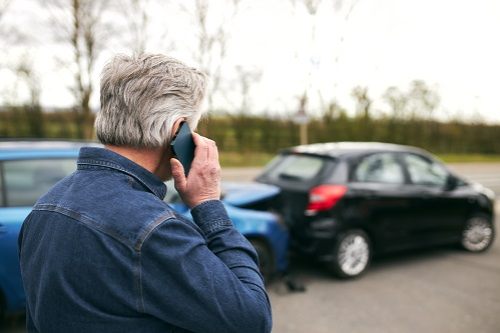
How much coverage do you need in Virginia?
Most drivers in Virginia start with state minimum requirements and then adjust coverage based on vehicle value, financial risk, and ownership status. Higher coverage limits provide more protection after expensive accidents.
Virginia car insurance requirements also include:
- 50/100/25 in liability coverage to pay for bodily injuries and property damages you cause in an accident.
Drivers with financed or leased vehicles generally need collision and comprehensive coverageComprehensive coverage helps pay for damage to your car caused by events other than a collision, such as theft, fire, vandalism, or natural disasters. It is subject to a deductible. because lenders require protection for the vehicle.
How much is liability car insurance in Virginia?
The average cost of minimum liability car insurance in Virginia is $528 per year.
Higher liability limits increase premiums but provide more protection after serious accidents. At increased limits of 50/100/50, the average cost of liability insuranceLiability insurance covers sums that an insured becomes legally obligated to pay because of bodily injuries or property damage, or financial losses caused to other people. in Virginia is $538.
What additional coverages should you consider?
Drivers in Virginia may want additional coverage beyond minimum requirements depending on vehicle value, finances and risk tolerance. These include comprehensive and collision coverageCollision coverage helps pay for repairs or replacement of your car if it's damaged in an accident, regardless of who is at fault and is subject to a deductible., which are required if you have a loan or lease.
Common optional coverages include:
- Collision coverage: pays for damage to your vehicle after a collision.
- Comprehensive coverage: covers damage to your car due to a non-collision event such as theft, hail, flooding, fire, vandalism, and animal collision. This coverage is required if you have a loan or lease agreement.
- Rental reimbursement: pays for rental vehicle costs after covered claims.
- Roadside assistance: provides towing and emergency services.
- Gap insurance: pays the difference between your vehicle loan balance and actual vehicle value after a total loss.
- Uninsured or underinsured motorist coverage: helps protect against drivers with little or no insurance.
How to choose auto insurance coverage
The right car insurance coverage in Virginia depends on your vehicle, finances and how much financial risk you're willing to take on. When choosing coverage, consider legal requirements, vehicle value, repair costs and whether you own, finance or lease your vehicle.
Consider these questions:
- Is minimum liability enough? State minimum coverage meets legal requirements, but many drivers choose higher limits because serious accidents can exceed minimum coverage amounts. Expert auto insurance coverage recommendations are that you carry at least 100/300/100.
- Do you finance or lease your vehicle? If yes, lenders usually require collision and comprehensive coverage.
- Could you afford to repair or replace your vehicle yourself? Drivers who cannot comfortably pay large repair or replacement costs often choose collision and comprehensive coverage.
- How much can you afford to pay out of pocket after a claim? Your deductible affects both premiums and claim costs. Higher deductibles generally lower premiums, while lower deductibles generally increase premiums.
- Could you afford costs caused by an uninsured driver? Uninsured and underinsured motorist coverage can help protect against drivers with little or no insurance.
- Would you need transportation if your vehicle is being repaired? Rental reimbursement coverage can help pay for temporary transportation.
- Do you already have roadside assistance? If not, roadside assistance coverage can help pay for towing and emergency services.
How to calculate car insurance coverage in Virginia
Estimate how much car insurance you need in Virginia by entering information about your vehicle, finances, ownership status and coverage preferences. The calculator uses this information to estimate coverage levels based on protection needs and financial risk.
To estimate coverage needs, you can follow these steps:
- Enter a ZIP code.
- Select whether the vehicle is owned, financed, or leased.
- For financed or leased cars, GAP coverage may be needed if the vehicle is under a year old or the down payment was less than 20% of its value.
- Choose if you want the lowest rates or the best protection.
- Enter net worth to assess whether repair or replacement costs could be covered out of pocket.
- Choose if you and your passengers have health insurance to indicate if you need medical payment or personal injury protection.
Lower-cost selections prioritize minimum acceptable coverage.
Higher-protection selections prioritize broader financial protection.
"Many financial experts recommend carrying at least $100,000 per person and $300,000 per occurrence - commonly expressed as "100/300." Consider what assets you have to protect and what you can afford when deciding how much to purchase," Walker says.
Compare auto insurance rates by city in Virginia
Auto insurance rates vary not just by state, but also by city. Cities have different levels of risk based on factors like accident rates, claimAn insurance claim is a request you make to your insurance company for coverage after your car is damaged or you have an accident. You can file a claim online, by phone, or in writing. costs, weather and more. That means where you live in Virginia will impact what you pay. Below, we've gathered Virginia car insurance rates by city for comparison.
| City | Annual insurance premium |
|---|---|
Virginia Beach | $1,824 |
Car insurance premium trends in Virginia
Car insurance rates change regularly, influenced by changes in the cost of repairs, claim rates and other factors. Recent years have seen car insurance rates rise across the country, but not every state has seen the same increases.
We've tracked car insurance premium trends in Virginia to show you how things have changed and help you prepare for potential changes in the future. Take a look at the chart below.
Frequently asked questions
Is state minimum insurance enough in Virginia?
State minimum insurance in Virginia meets legal requirements. However, it does not cover your vehicle and may not provide enough protection after a serious accident.
Do drivers need full coverage?
Drivers with financed or leased vehicles generally need collision and comprehensive coverage. Other drivers may choose full coverage based on vehicle value and financial risk.
What liability limits should drivers choose?
Many drivers choose liability limits above state minimum requirements because serious accidents can quickly exceed lower coverage amounts. Higher liability limits provide additional financial protection against medical bills, property damage and lawsuits.
What does comprehensive insurance cover?
Comprehensive insurance covers vehicle damage caused by non-collision events such as theft, fire, flooding, hail, vandalism, falling objects and animal collision. It covers losses not caused by crashes with other vehicles or objects.
How can drivers lower premiums?
Drivers can lower insurance costs by comparing quotes, choosing higher deductibles, maintaining clean driving records, and using available discounts. Reviewing coverage regularly may also help reduce unnecessary costs.
Compare state minimum limits in Virginia with other states

 You might also be interested in
- Virginia car insurance laws and requirements: What is changing in 2026
- Virginia DUI and insurance: How much does a DUI raise your insurance?
- Speeding ticket calculator in Virginia
- SR-22 insurance in Virginia
- Non-owner car insurance in Virginia: Best and cheapest companies
- Virginia gap insurance: Everything you need to know
- Low-income car insurance in Virginia
- Virginia car insurance guide
- Cheapest car insurance for high-risk drivers in Virginia
- Cheapest home and auto insurance bundle in Virginia