

Can you ask for more money when your car is totaled?
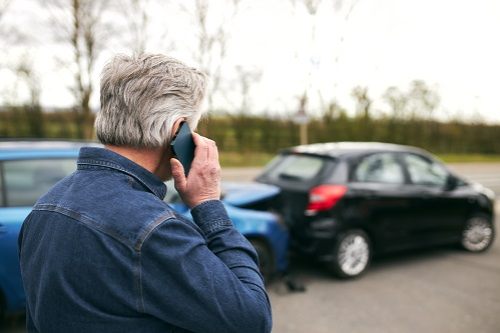
Yes, you can negotiate with your insurer if you disagree with the settlement after your vehicle is totaled. Insurers use the actual cash value of your car right before it’s totaled to determine your claimAn insurance claim is a request you make to your insurance company for coverage after your car is damaged or you have an accident. You can file a claim online, by phone, or in writing. payout. However, this may not accurately reflect your car’s value, especially if it is in excellent condition, has low mileage, or has expensive modifications.
Detailed documentation of repairs, maintenance, and upgrades can help you negotiate with the insurance adjuster and increase your settlement.
“Do research to see what similar vehicles are selling for in your area. The more information that you have, the greater the likelihood of securing the maximum value for your vehicle," says Ray Shefska, co-founder of CarEdge, a consumer car buying service.
How to get the most money from insurance for a totaled car
You may feel that your vehicle is worth more than your insurer is willing to pay after it has been declared a total loss. Fortunately, there are steps you can take to get a fair settlement, including:
- Know your rights and state laws. Each state has laws and rules governing insurers and claims. Understanding your rights and laws can ensure you understand the process and what rules your insurer must adhere to.
- Prepare documents and research to support the car’s value. Documenting repairs, upgrades, and maintenance on your vehicle can help you get the most for your claim. Cars in good condition, have modifications, and have low mileage may be worth more than a similar vehicle in poor condition.
- Negotiate with your insurance adjuster. Once you have the documentation in hand, ask the insurance adjuster to change their appraisal. Calculate the settlement you believe is fair and negotiate with the adjuster to increase the settlement.
- Hire an independent claim adjuster. If the appraisal is still too low, consider hiring an independent adjuster. They can create a fair appraisal for you to submit to your insurer. An independent adjuster is not affiliated with your insurance company, so their appraisal can provide an unbiased perspective on your car's value, potentially leading to a higher settlement.
What happens if you don't agree with a total loss adjuster?
If you disagree with a total loss adjuster, you have options such as negotiating with your insurer, hiring an independent adjuster, or hiring an attorney.
Negotiation is an important step if your vehicle is totaled. Your insurer may try to settle based on the lowest value of your car. However, if you’ve made expensive modifications or kept your vehicle in exceptional condition, it may be worth more than your insurer believes.
An independent adjuster may be able to show that your car is worth more than the original adjuster thought. Submit the additional documents to your insurer to help increase the settlement for your totaled vehicle.
You may also enter into mediation with your insurer. A neutral third party can attempt to settle the dispute fairly.
If you’re still not able to come to an agreement with your insurer, you can hire an attorney. Note that this may be expensive, as your settlement will only cover the actual value of your vehicle. You’ll likely have to pay for an attorney yourself.
You can also file a complaint with your state’s department of insurance. While this may not result in a higher payout for your car, the insurance department may review the claims process for legal issues, potentially leading to a more thorough review of your case and a fairer settlement.
People ask
Should I hire a lawyer for a total loss claim?
While you can hire an attorney to try to get a larger payout after a total loss, it might not be worth it. Attorney fees may be more than the difference in your claim settlement.
How do insurance companies value totaled cars?
Insurance companies typically determine your vehicle's value by examining its actual cash value (ACV), which is what it was worth before it was totaled, including depreciation. This value determines if it’s a total loss.
"Insurance companies typically consider a vehicle a total loss if the cost of repairs exceeds its actual cash value before the accident. However, this threshold can vary by state and insurer. In some cases, a car may be totaled even if repairs amount to just 65% to 70% of its value,” says Shefska.
The ACV is different than fair market value, which is what your car is worth to another buyer. ACV reflects the cost to replace the vehicle, minus depreciation, while fair market value reflects what the car would sell for. In simpler terms, ACV is your car's value before it was totaled, while fair market value is what you could sell it for.
ACV is typically less than fair market value and results in a lower settlement after your car is totaled.
How long does it take for insurance to pay out on a total loss?
On average, insurance payouts are processed within 30 days or less. However, if the claim is complicated, such as one that includes injury costs, it may take longer to process. Each state also has rules regarding the timeframe within which an insurer must pay a claim.
FAQ: Getting the most for your totaled car
Do you have to accept the insurance offer on a totaled car?
No, you don’t have to accept the payment offered by your insurance company if your car is deemed a total loss. You can negotiate with your insurer to try to get a higher payout. Gather your own documentation regarding your vehicle and the market value, and work with your insurer to come to a fair settlement.
What is my car worth if totaled?
Your car is worth the actual cash value of the vehicle before it was totaled. Since deprecation costs are considered, the ACV will be considerably less than what you paid for it.

 Helpful auto insurance tools and calculators
In case you missed it
Stay updated with our latest insurance insights and guides
 August 19, 2026
Adjusters review repair costs, salvage value, state rules and the car’s pre-accident...
Read article