


How much is gap insurance in New Jersey?
Gap insurance in New Jersey costs an average of $3,306 per year. Your price will vary by insurer, vehicle value, and other rating factors. Vehicles that lose value quickly create a larger difference between the loan balance and actual cash value, making gap coverage especially useful for those drivers. The cost of your vehicle can also affect gap insurance rates. Expensive or luxury vehicles may depreciate quickly, which can increase the amount of insurance required to cover a total loss.
Cheapest gap insurance companies in New Jersey
The cheapest gap insurance in New Jersey is offered by Travelers, with an average yearly cost of $2,558. Not all car insurance companies provide gap coverage, and rates can vary significantly among carriers.
Take a look at the table below to see the cheapest New Jersey insurance companies for gap coverage.
| Company | Auto insurance rates with gap premium | Gap premium |
|---|---|---|
| Travelers | $2,558 | $36 |
| Farmers | $2,829 | $103 |
| Progressive | $3,138 | $69 |
| Plymouth Rock Assurance | $4,700 | $139 |
Average gap insurance cost in New Jersey by city
Avon-by-the-Sea has the cheapest average gap insurance rate in New Jersey at $2,783 per year. Rates vary by city because insurers consider local claimAn insurance claim is a request you make to your insurance company for coverage after your car is damaged or you have an accident. You can file a claim online, by phone, or in writing. patterns, theft, traffic, repair costs and other location-based risks when pricing auto insurance. Your individual rate will differ from the city average.
If you live in an area with more theft, accidents, or costly claims, you may pay higher overall auto insurance rates. Because gap coverage is often added to an auto policy, these local pricing differences can affect the total cost of coverage.
This table shows the average gap insurance rates by city for New Jersey.
| City | Auto insurance rates with gap premium | Gap premium |
|---|---|---|
| Avon-by-the-Sea | $2,783 | $73 |
| Belmar | $2,783 | $73 |
| Brielle | $2,811 | $72 |
| Manasquan | $2,811 | $72 |
| Mantoloking | $2,811 | $72 |
| Normandy Beach | $2,811 | $72 |
| Point Pleasant | $2,811 | $72 |
| Sea Girt | $2,811 | $72 |
| Spring Lake Heights | $2,811 | $72 |
| Boonton | $2,860 | $75 |
| Denville | $2,860 | $75 |
| Mount Tabor | $2,860 | $75 |
| Mountain Lakes | $2,860 | $75 |
If you live in an area with more theft, accidents, or expensive claims, you'll likely pay more for auto insurance overall. Since gap insurance is added to your auto policy, those location-based differences also affect your total cost.
How much is gap insurance in New Jersey by age group?
An 18-year-old driver in New Jersey pays $11,009 a year for gap insurance, while a 25-year-old pays $3,740 annually for gap insurance. Younger drivers pay more because they have less experience and a higher chance of filing claims. As you gain experience and keep a clean record, your rates will drop.
Age is just one factor in your insurance cost. Your driving record, location, vehicle, insurer, and coverage choices also affect your price. Even drivers of the same age pay very different rates.
Here are the gap insurance rates in New Jersey for different age groups.
| Age group | Auto insurance rates with gap premium | Gap premium |
|---|---|---|
| Teen | $11,009 | $290 |
| Young adult | $3,740 | $100 |
| Adult | $3,306 | $87 |
| Senior | $3,239 | $77 |
How does gap insurance work in New Jersey?
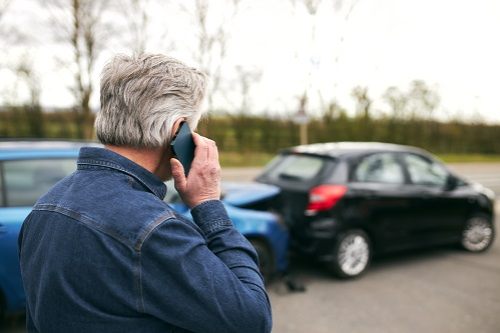
Gap insurance in New Jersey helps you when your car is totaled or stolen, and you owe more on your loan or lease than the car is worth. Your standard auto insurance pays the actual cash value of the car, but that may not cover your full loan balance. Gap insurance pays the difference.
New cars lose value fast, sometimes faster than you pay down your loan. That can leave you upside down on your loan soon after you buy or lease the car.
"Gap is designed for people that take long-term loans and/or roll taxes, service plans, or warranties into their loan," said Zack Pope, agency manager at David Pope Insurance in Missouri. "Most gap coverages only go a certain percent over market value to pay off a loan for a totaled vehicle (typically 25%). It costs significantly less money to get gap through your insurance than to purchase it from the dealership."
For example, let's say you have a $40,000 car loan, but your vehicle's actual cash value is only $35,000. If the car is stolen, your insurance company will reimburse you $35,000, minus your deductibleThe deductible is the amount you pay out of pocket for a covered loss when you file a claim.. Gap insurance would cover the remaining $5,000 that you still owe on your loan. Without gap insurance, you'd be responsible for paying this difference out of pocket.
Once your loan is less than the value of your car, you can drop gap coverage. While you can always cancel gap insurance, you may be unable to add it anytime. Most insurers want you to add the coverage quickly after buying a car.
Additionally, many lenders require gap insurance when getting your loan. Although you can get gap coverage through your lender or car dealership, adding it to your current auto policy is usually cheaper.
Where to buy gap insurance in New Jersey
Gap insurance in New Jersey can be purchased from many insurers, dealerships, lenders, or standalone providers. Adding it to an existing auto policy is usually the cheapest option, while dealer or lender coverage often costs more. Price, coverage limits, cancellation terms, and eligibility should always be compared before selecting a policy.
Gap coverage is also available from most car dealers and lenders, but their policies are often more expensive, making them a less appealing choice.
Methodology
We gathered car insurance rates with and without gap insurance through our data partner, Quadrant Information Services.
Averages are annual and based on our full coverage data set. This data set is based on:
- Bodily injury liability of $100,000 per person and $300,000 per incident
- Property damage liability of $100,000 per incident
- Comprehensive and collision deductibles of $500
- 40-year-old driver
- Honda Accord LX
- Good credit
- A clean driving record
- 12-mile commute, 10,000 annual mileage
To show the cost of gap insurance, we have compared rates with gap insurance added to the averages without gap insurance, and the difference is shown as the annual cost of gap insurance.
Rates are based on an analysis of over 5 million data points in all 50 states and Washington, D.C. from 138 companies.
New Jersey gap insurance: FAQs
Is gap insurance required in New Jersey?
No, New Jersey does not require gap insurance by law. However, your lender may require it as part of your loan or lease agreement. Always check your financing terms to confirm.
Who should buy gap insurance in New Jersey?
If you have a car loan or lease in New Jersey, you might need gap insurance. If you made a small down payment, you could quickly owe more than your car is worth since vehicles lose value faster than you can pay off the loan. In this case, gap insurance can be a smart choice.
You don't need gap insurance if you own your car or made a large down payment to ensure that you owe less than the car's value at the start of your loan.
What is standalone gap insurance in New Jersey?
Standalone gap insurance is a separate policy, not a part of your car insurance. You can buy gap insurance from your lender or a private company as an independent policy.
Does gap insurance cover leased cars in New Jersey?
Yes, gap insurance covers a leased vehicle in New Jersey if it's totaled and you owe more than its actual cash value. Many lease agreements already include gap coverage, so check your contract first; if not, you can add it through your insurer or leasing company. Gap insurance can be removed once the loan balance is lower than the vehicle's value.
Compare New Jersey gap insurance rates with other states

 You might also be interested in
- New Jersey car insurance laws and requirements: What is changing in 2026
- New Jersey DWI and insurance: How much does a DWI raise your insurance?
- Speeding ticket calculator in New Jersey
- Non-owner car insurance in New Jersey: Best and cheapest companies
- Low-income car insurance in New Jersey
- New Jersey car insurance coverage calculator
- New Jersey car insurance guide
- Cheapest car insurance for high-risk drivers in New Jersey
- Cheapest home and auto insurance bundle in New Jersey
- Best and cheapest car insurance in New Jersey for 2026