
What is covered by gap insurance?
Gap insurance covers an eligible loan or lease shortfall after your auto insurer declares the vehicle a total loss or pays for an unrecovered theft. The coverage applies only when the approved settlement is lower than the amount you still owe. The contract can cap the payout or exclude part of the balance.
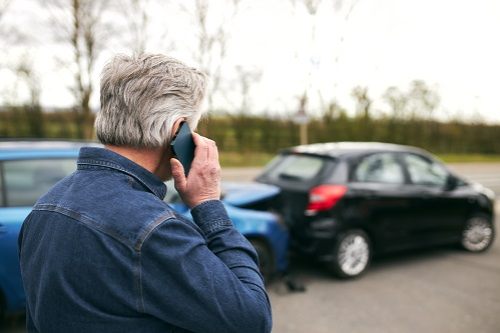
Gap insurance kicks in no matter how your car is totaled. This includes:
- Theft
- Vandlism
- Fire
- Accidents, regardless of fault
- Natural disasters
Any situation where your insurance company declares the car a total loss and covers the actual cash valueActual Cash Value (ACV) is the current market value of your car, considering depreciation. It's the amount your insurance will pay if your car is totaled or stolen. of the car, gap insurance will kick in to pay the difference.
What gap insurance doesn’t cover
Gap insurance does not cover car repairs, medical bills, personal belongings, rental car costs, or engine repairs. It also does not cover many loan or lease-related charges, such as late payments, excess mileage fees, or rolled-over debt, unless the contract specifically includes them. Most gap insurance policies do not cover your deductibleThe deductible is the amount you pay out of pocket for a covered loss when you file a claim..
Gap insurance only covers your car. It doesn’t cover anything else related to an accident, including medical bills.
Gap insurance also doesn’t cover:
- Items purchased with the auto loan, such as extended warranties or credit life insurance.
- The unused balance of an extended warranty.
- Any balances from prior loans.
- Lease or loan security deposits.
- Any equipment that you added to your car beyond what was factory-installed.
- Past due loan or lease payments.
- Lease penalties for excessive mileage.
- Deductions made by your primary insurer for previous damage, towing, storage and/or wear and tear.
- Any other losses that are excluded from your auto insurance policy.
In addition, it's important to note that gap insurance isn't retroactive. You can't buy it after an accident and file a claim for that accident.
"As with all types of car insurance, a gap insurance policy must be purchased before the damage occurs in order for the claim to be covered," says Jaime Arias, a licensed car insurance agent with Dynamic Insurance Solutions. "You can't retroactively purchase gap insurance to cover your loan balance after your car is totaled in an accident."
When you purchase gap insurance, make sure you know exactly what is covered and what's not covered. Not all policies are alike, so be sure to read the fine print.
Frequently asked questions
Does gap insurance cover death?
No. Gap insurance does not cover a driver’s or passenger’s death, funeral costs, medical bills, lost wages or other injury-related losses. It only covers the vehicle losses. Medical payments, personal injury protection or life insurance can cover separate losses.
Does gap insurance cover engine failure?
No. Gap insurance does not cover engine failure, breakdowns, maintenance, or repairs because it only applies to total-loss claims. Engine repairs may be covered by a warranty, service contract, or mechanical breakdown insurance—check exclusions and limits.

 Helpful auto insurance tools and calculators