


Can you settle a car accident without insurance?
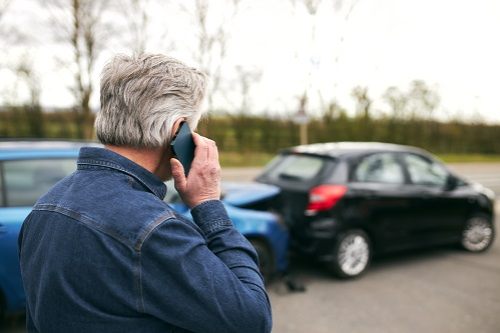
You can settle a car accident without insurance if both parties agree, but there are some risks. Damage and injuries may appear later and complicate the situation, so it's important to document everything carefully, from the accident scene to everything you've agreed to with the other driver.
State laws may require that a car accident be reported to the police if there's enough damage, so ensure you're aware of the law in your state. If there are any injuries, it's best to get insurance involved.
How to settle an accident without insurance
To settle an accident without insurance, document the scene, gather details about the other driver and their vehicle, file a police report, and then negotiate a settlement based on repair estimates. Get everything in writing and use traceable payment methods.
1. Document the accident scene
Take pictures of both vehicles and the scene where the accident occurred. If possible, do this before anything at the scene is moved, but if it's a minor fender bender and you need to get out of the way of traffic, photograph the area from a safe location and make note of where both vehicles were.
"Document, document, document," says Kirchen. "The proof is in the documentation. If something goes awry, you still have some means of recourse. Ultimately, in court, the person who has the proof will win if the other party only has hearsay."
You may want to forgo photos of the scene if you are at fault. Thomas Simeone with Simeone & Miller in Washington, D.C., says, "Take photos of the vehicles and the accident scene if they will help you. If they will not, do not create evidence that can be used against you."
Don't make any verbal agreements with the driver or admit fault. If the other driver agrees to settle without insurance, make sure there is a written agreement. This is difficult to do on the roadside, so make arrangements to do so in a safe location.
2. Record the details of the other vehicle and contact information for the driver
Document the other vehicle's license number, make, model and color. Write down the full name and contact information of the other driver and their insurance information.
Even if you don't plan to file a claim, it's important to have insurance information in case something changes, and to be sure you aren't dealing with an uninsured driver.
No matter what, be sure to have the following information before you leave the scene:
- Name, address and phone number of the other driver
- Driver's license number - consider snapping a photo with your phone
- Name, phone number and policy number of the other driver's car insurer, just in case
3. File a police report
Even if your state doesn't require a police report, it is wise to get one. This report will be an official record of the vehicles and people involved, any injuries, damage and what reportedly happened to cause the wreck.
The police will not automatically report the accident to your insurance company, but if you do wind up filing a claim, it's good to have.
If there was no serious damage, and if nobody was hurt, the police likely won't come. It depends on the police department’s policy and how busy they are that day. That can also be a sign that you can handle the accident without involving insurers.
If the police do come, don’t worry that they might notify your insurer. "There is not much likelihood that your insurer would learn of the accident. Police reports are only distributed to insurance companies by request," says Brian Rauber with the Rauber Insurance Agency in Gladstone, Missouri.
Again, Simeone looks at the other side of the equation. "If you were at fault, do not attempt to obtain a police report -- it will only provide documentation against you."
Your state may require an accident report for accidents above a certain threshold.
4. Get multiple quotes for vehicle repairs
Request quotes for the repairs from several repair shops to compare costs and to be sure the repairs are something you want to handle without insurance. You may find that the damage is more extensive than you originally thought and that it's better to let insurance handle it.
Get all of the repair estimates in writing.
5. Negotiate a settlement
Work with the other driver to go over repair estimates and decide on a settlement amount. Once you have agreed, draft a settlement agreement that outlines all of the details.
Kirchen suggests getting the at-fault driver to sign an agreement admitting liability and promising to pay.
Make copies and have everyone sign each copy. For added safety, have the agreement notarized.
6. Complete payments using a traceable method
Complete the agreed payments using a payment method that can be traced. Payments done with cash may later be questioned. Ensure that you have evidence that the agreed-upon amount has been paid.
Keep all documentation related to the settlement in case issues arise in the future.
People ask
Is it illegal to settle a car accident privately?
No, it's not. No state law requires you to notify your insurance company after an accident. However, there is a good chance that your car insurance policy does require that you report any accident, and if you fail to do so your insurance company can deny any claims that result from it.
Do you have to report an accident to insurance if you're not filing a claim?
No. You don't have to report an accident to your insurer if you are not filing a claim.
Reporting an accident to your insurer is not a legal requirement. "Policyholders are not legally required to report all accidents to their insurer. It is common for drivers involved in minor accidents to work out a settlement between themselves," Rauber says.
However, if the other driver does report it, you probably won't have a choice.
People ask
What is a private settlement agreement for a car accident?
A private settlement agreement is a contract you sign with the other party involved in the accident, agreeing to the terms of the settlement, without insurance involvement.
Do you have to go through insurance after minor accident?
No. If you have been in a minor car accident and there is no damage, you may be able to reach an agreement with the other driver to avoid a claim and not do anything at all. If nothing needs to be repaired, there's nothing to file a claim over.
However, sometimes damage shows up later, so it's important to exchange contact and insurance information in case you do need to make repairs.
When should you not file an auto insurance claim?
You shouldn't file a claim after a single-vehicle accident when the damage is below your deductibleThe deductible is the amount you pay out of pocket for a covered loss when you file a claim.. In this case, the claim won't result in a payout.
Consider not filing a claim when:
- No other vehicle was involved and you can afford the repairs
- The other driver agrees not to file with insurance, and there are no injuries
- The damage is cosmetic and not worth repairing
- You have previous claims and are at risk of a major rate increase or nonrenewal
How much will my insurance go up with an at-fault accident?
The average increase after one at-fault accident with damage over $2,000 is 56%. For an at-fault bodily injury accident, the average increase is 63%.
How much more you pay for coverage after an accident depends on your insurance company’s guidelines and your state laws. Many other factors also come into play, chief among them are the type of car you drive, your age, where you live and your credit history. However, the data below shows that the cost of the accident has a lesser impact, with the difference between an accident under $2,000 and one over that threshold only about 1%.
| Type of accident claim | Avg. rate before claim | Avg. rate after claim | Dollar increase | Percentage increase |
|---|---|---|---|---|
| 1 at-fault property damage accident over $2K | $2,578 | $4,153 | $1,575 | 61% |
| 1 at-fault property damage accident under $2K | $2,578 | $3,988 | $1,410 | 55% |
| 2 at-fault property damage accidents over $2k | $2,578 | $6,075 | $3,497 | 136% |
| 1 at-fault bodily injury accident | $2,578 | $4,129 | $1,551 | 60% |
How to get your car fixed after an accident without insurance
To get your car fixed without insurance, take it to the repair shop of your choice and pay directly for the repairs. If another driver is at fault, ensure they can pay for the damage before you complete the repairs.
“Sadly, most Americans don’t have personal savings to cover an unexpected major expense,” says Justin Wolfe, owner of Wolfe Law Group in Atlanta. “If you make a handshake deal to resolve any vehicle damage or pay for doctor bills, you should know that the person who you are dealing with may be penniless. There is no way to know a person’s financial state of affairs at the scene of a car crash,” Wolfe says.
If you get the sense that the person you were involved in an accident with may struggle to pay for your minor damages, then you may want to get this resolved and file a claim with your insurer.
No matter what agreement you make with the other driver, ensure you have their contact and insurance information in case they back out. You may need to file with their insurance carrierAn insurance carrier is the company that provides your car insurance policy and pays claims., or even go to court.
Furthermore, if you know or suspect that the other driver doesn't have insurance, and that's why they want to settle, it's far riskier to agree to that settlement. Speak with your insurance company for advice; you may also need to consult an attorney.
The benefits and risks of settling an accident without car insurance
Settling an accident without insurance prevents a rate increase, allows you to have the repairs done however you like, and avoids a potentially lengthy claims process. However, you risk the other driver failing to pay or suing you later for injuries or other damages.
Benefits:
- No increase in insurance premium
- No claims process
- No restrictions on repair shops
Risks:
- If the other driver is at fault, you risk not getting your damages covered
- If you are at fault and the other driver later sues for damages like medical bills, repairs or pain and suffering
What happens when the car is ready to get back on the road?
When the car is ready to get back on the road, there should be some final paperwork, especially if you are at fault. The at-fault party will want to ensure that the repairs end the incident.
Kirchen recommends getting the other party to sign a release of claims, a legal document that states they can't pursue any further compensation after the agreed settlement.
"This ensures that the other party cannot come back to you saying they want to be paid for diminution of value or that they suddenly have injuries," he advises.
Simeone, once more, looks at the other side of the coin. "If you are the one injured and receiving money, try to avoid signing a release so that you have the right to seek more money at a later date, if necessary."
Still, if you are injured, you probably should call your insurer. There is a reason we pay for insurance, after all. It alleviates our financial suffering in case of a wreck, and even fender benders can be pretty costly.
There are times you want to look into how to get your car fixed after an accident without insurance. There are also certain occasions when your insurer should take the wheel and steer you through the headaches of getting a car repaired.
Methodology
Car insurance rates were collected by Quadrant Information Services across 34,588 ZIP codes in all 50 states and D.C.
Unless otherwise indicated, averages are based on our full coverage data set. This data set is based on:
- Bodily injury liability of $100,000 per person and $300,000 per incident
- Property damage liability of $100,000 per incident
- Comprehensive and collision deductibles of $500
- 40-year-old driver
- Honda Accord LX
- Good credit
- A clean driving record
- 12-mile commute, 10,000 annual mileage
Learn more about our data and methodology.
FAQ: Settling an accident without insurance
Does insurance go up if you pay out-of-pocket?
No, insurance doesn't go up if you pay for repairs to your vehicle out of pocket. However, if something appears on your driving record related to the accident, such as a ticket, it could affect your rates.
When should you avoid trying to arrange a private settlement?
Do not try to settle privately if there are any injuries or if there is major damage, including if you suspect your car is totaled. Don't attempt a private settlement if the other driver is at fault and doesn't have insurance; a driver who can't afford insurance premiums likely can't pay for the damage out of pocket. Coverage on your policy, such as collision or uninsured motorist, will cover the bill instead.
Can a body shop fix your car without insurance?
Yes. A body shop can fix your car regardless of insurance claims or status. You'll pay for the repairs yourself.
Is there ever a time when premiums won’t go up after a claim?
Yes. If you're not at fault, you may not see an increase, and in some states it's illegal to raise your rates.
The one way to avoid a rate increase after an at-fault claim is to carry accident forgiveness on your policy. Most major insurance companies offer this add-on, which ensures that your premiumThe payment required for an insurance policy to remain in force. Auto insurance premiums are quoted for either 6-month or annual policy periods. will not go up after your first at-fault accident. However, it does have limitations.

 Helpful auto insurance tools and calculators
In case you missed it
Stay updated with our latest insurance insights and guides
 March 4, 2026